
Pediatric Therapy Center: Treatment Programs
About Us Our Equipment Contact Us
Explore Five Intensive Programs
At our Pediatric Therapy Center in Lynnwood, WA, we tailor plans to meet the needs of each patient. Our high-frequency, focused blocks consist of therapy sessions lasting 2-3 hours a day for roughly 2-3 weeks at a time. Our program incorporates equipment that is designed to accelerate patient progress.
Our approach uses individualized treatment plans that incorporate TheraSuit®, the Spider Cage, DMI, and NISEstim/FES to build strength, coordination, and functional skills. This targeted combination supports faster progress while improving motor control, confidence, and carryover into daily life.
Pediatric Physical Therapy
The focus of our pediatric physical therapy program is to improve strength, balance, coordination, motor planning, and mobility.
Sample goals: Walking without support / Running and jumping / Improved gait and endurance / Navigating stairs
Approach: Play‑based sessions with gait training, postural work, dynamic balance, and equipment‑assisted therapy.
Pediatric Occupational Therapy
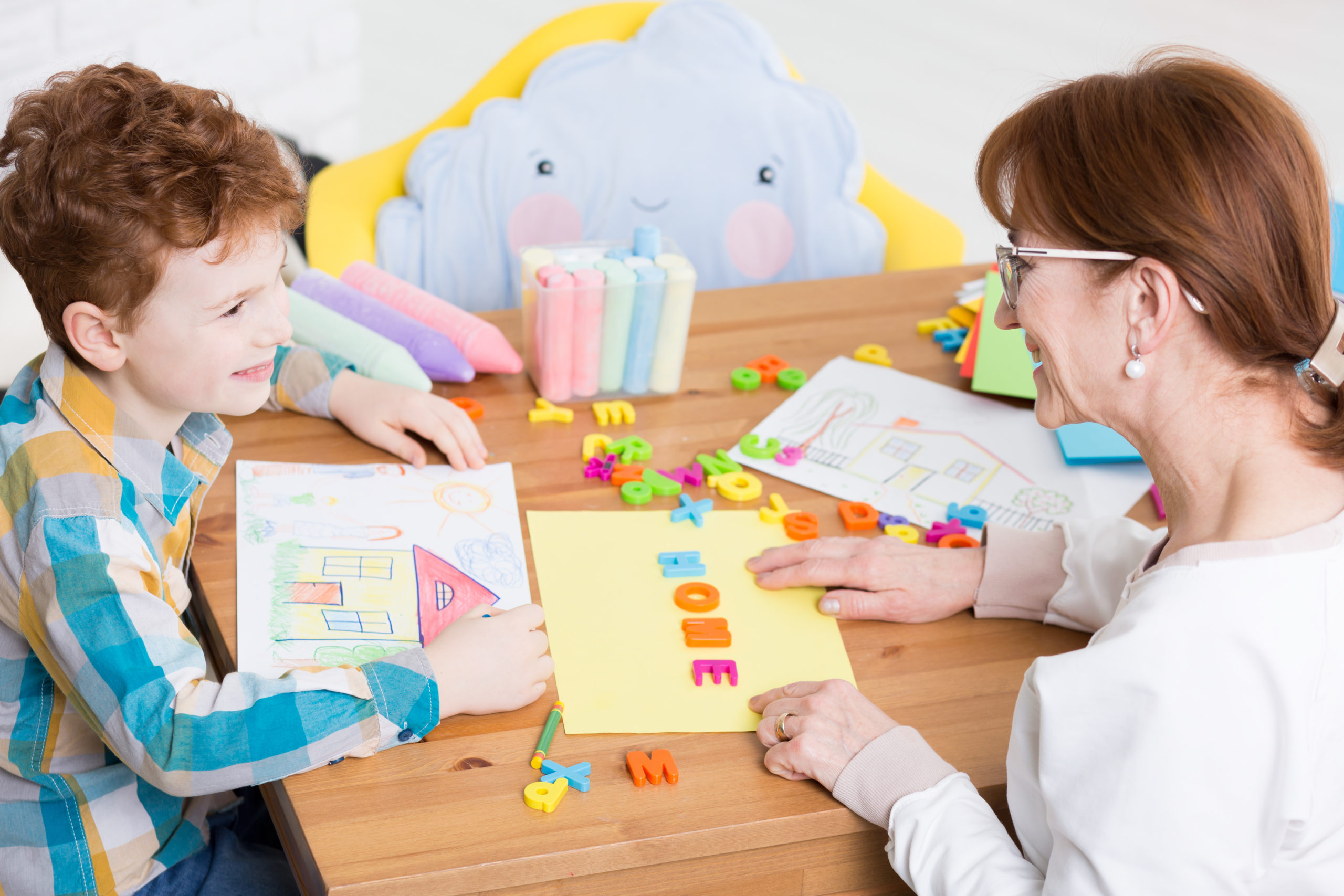
Our pediatric occupational therapy program helps children refine their fine motor skills and daily life skills, learn how to self-regulate, and improve their sensory processing.
Examples: Feeding, dressing, handwriting, visual‑motor integration, and school readiness.
Approach: Sensory‑informed care, grasp and hand strength training, routines that build independence.
Pediatric Speech Therapy
In pediatric speech therapy, our therapists work with children to improve their language development, articulation, fluency, social communication, and AAC (assistive devices).
Sample goal: “Verbally expressing basic wants & needs,” or “Using an AAC device to initiate/respond for basic needs.”
Approach: Evidence‑based therapy with playful activities, caregiver training, and device support.
Feeding Therapy
Our therapists help children with oral‑motor or sensory feeding concerns, limited food acceptance, or swallowing difficulties.
Approach: Gentle, stepwise exposure, oral‑motor strengthening, and caregiver coaching.
Expected outcomes:
- Improved oral motor skills and safe swallowing
- Expanded food acceptance and sensory tolerance
- More efficient eating and increased independence
- Decreased mealtime stress
- Support for growth and nutrition